I recently shared a social media post that began “I’m always surprised by how disappointed I am when I’ve put time, vision, and effort into a proposal or submission – met the deadlines, followed the instructions, shared my best work – and I get the ‘we didn’t pick you’ email.” It was the most engaged post I’ve ever shared, met with wise comments and lots of identification. I was developing a piece about wrestling with disappointment when I got the opportunity to share some of my reflections on Zak Foster’s Seamside podcast in a conversation about tending disappointments with Zak and other artists. (Here’s the link for the podcast https://www.zakfoster.com/seamside episode: How to Say YES in the Face of NO ) I so appreciated the thoughtful experiences of the other participants, and I’m expanding upon what I shared on the podcast.
Francis Weller, grief activist and author of the book The Wild Edge of Sorrow: Rituals of Renewal and the Sacred Work of Grief, describes five gates through which grief enters our lives, and the fourth gate is what we expected and did not receive.
The truth is, for much of the past year, I was envisioning a very different new chapter, and I invested an enormous portion of my time, care, art energy, and service in places and partnerships with people that didn’t match, or weren’t able to share the building of relationships and the opportunities as I’d hoped.
As a full time school administrator trying also to be a mid-career artist, and an engaged activist (with a loving home and midlife health practices to nurture), I’d worked hard to be the best me, carefully squeezing commitments into my challenging calendar, trying to be upfront about what I could or couldn’t manifest, and turning my attention to what I believed would help solidify the work and way forward.
I know this about myself, that I put in extra effort to avoid being disappointed in others, and that this old coping strategy leaves me sometimes failing to ask the out loud questions that might have helped me better reckon with the disconnect, unavailability, or even disinterest that I am steering to avoid with hidden hyper-vigilance. The more I care, the harder it is to risk the ache of having them disappoint me, or reject what I am offering, preparing.
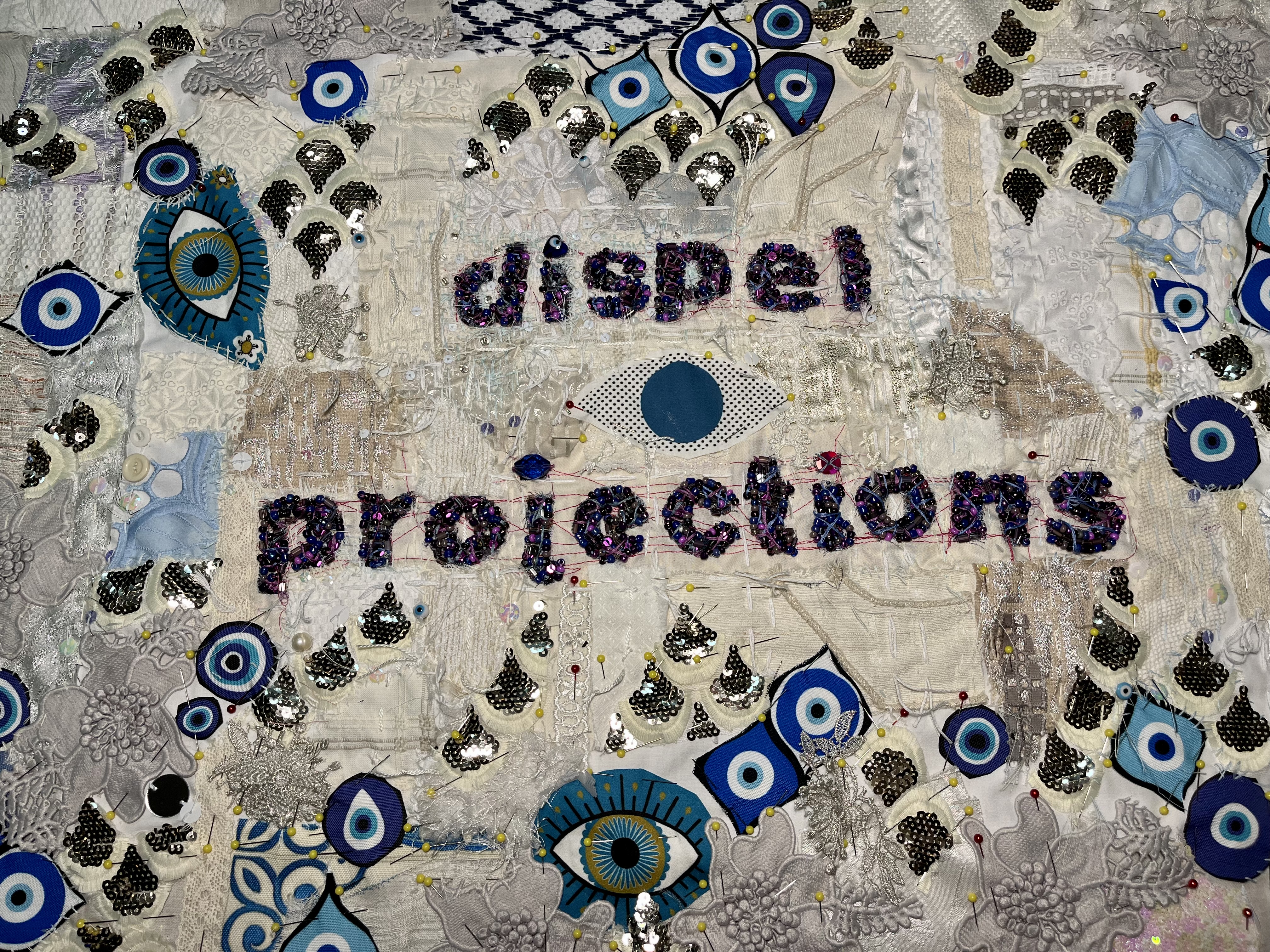
In Atlas of the Heart, Brene Brown further examines the connection between disappointment and expectations. She writes, “Disappointment is unmet expectations. The more significant the expectations, the more significant the disappointment… When we develop expectations, we paint a picture in our head of how things are going to be and how they’re going to look… We set expectations based not only on how we fit in the picture, but also on what those around us are doing in the picture… Researcher Eliane Sommerfeld explains that we come away from the experience of disappointment feeling bad about ourselves and the other person. Our negativity is tinged with astonishment and surprise, and, at the same time we’re trying to forgive, we’re concealing the emotions.”
Some of what I’m sorting through is how the news of rejection was either inflamed or mitigated by the quality of the communication process. In one situation, there was the ghosting I experienced as a finalist at an institution at which I have a long relationship, while I was actively on campus working with students, followed only by a polite “we selected someone else” email after six or so weeks. Without the direct conversation I would have expected, this was a tough outcome for a pretty amazing year of important engagement and care. I certainly understand that many considerations impact the final decisions of hiring as I’ve years of experience as a manager and as a faculty member participating in search committees; in my own administrative work and hiring process any candidate that spends a day on our campus would receive a direct phone call in recognition of the time and professional investment such finalist days demand. Around the same time, an organization that I serve on the board of directors handled a tough situation that felt really personal around a rejected submission with some relational efforts to sort through the circumstances from multiple perspectives; though the outcome still felt unfortunate, I appreciated the ways in which an attempt to clarify process and partnership guidelines was held. In both these cases, I had no expectations that being selected was expected or that these potential opportunities were “mine,” and I’ve reviewed, perhaps belatedly, my own hidden and explicit expectations and relationship patterns. As someone involved in the challenges of academic hiring, especially over the last several years, I also want to acknowledge that many individuals are doing the best they can within institutions that are struggling to provide the necessary resources needed to “do better,” but also that these experiences also revealed a more realistic view of departments and institutional leaders. Certainly these disappointments felt different because of my personal connections, and making any further commitments for the future does require a reevaluation: should I keep investing in this group, or is this a sign that my efforts would be better applied elsewhere?
I know I’ve had some stellar opportunities over the last few years, and so I can feel this ache as also a lack of gratitude or even character weakness, but there is a relief in saying the hard part out loud, naming the feelings of being let down or excluded, and acknowledging the ways in which the time and effort felt like such a set-up for disappointment. By sharing in that social media post, and as part of the podcast conversation, transparency and truth telling brought the most generous and thoughtful connections with other artists in many different fields.
A former student described advice she’d received to call this “collecting rejection letters” as a way of showing your work. And I’ve been reflecting on how to better “budget” for disappointments – to build into the processes of applying for shows, residencies, and career opportunities that are, of course, highly competitive and offer few actual acceptances, a recognition of what I can realistically afford to risk in terms of energy and potential outcomes. The old “you can’t be selected if you don’t apply” is true, but there is other labor that might yield better potentials that I want to make sure I’m prioritizing.
I think what I am trying to establish as a personal practice is the middle way that Brene Brown describes in Atlas of the Heart, she writes: “There is research that shows that one way to minimize disappointment is to lower our expectations. True, optimism can sometimes lead to increased disappointment, and I believe these findings are accurate, but there is a middle path – a way to maintain expectations and stay optimistic – that requires more courage and vulnerability. Examine and express our expectations. There are far too many people in the world today who decide to live disappointed rather than risk feeling disappointed.” ~ Brene Brown
I certainly want to reach my artistic and life goals and I know that is going to require resilience and a healthier approach to the risk of disappointment.
In the process of contributing to the podcast, I pulled myself together for another round of submissions and some preliminary efforts to foster new professional opportunities for my artwork. I did receive some “thank you for applying, but you weren’t selected” messages, but then there was the kind of email one always hopes to receive: a solo show in April 2024 at the Iridian Gallery in Richmond, Virginia.
And finally, one of my best personal practices, when I find myself feeling under seen or missing out on what I wanted to achieve, is to increase my care and attention for others; I step up in my commitments to activism, take time to highlight the work of other artists, and that usually reduces the sting or slight I’m trying to weather. I remind myself that the artist I am is generous and community-engaged.


 threadsofapatientspider